The GI-MAP Stool test measures good + bad gut bacteria, inflammation, digestion, and immunity to clarify underlying problems that doctors may miss, such as bloating, IBS, brain fog, and more.
Ordering the GI Map Test USA by Diagnostic Solutions
The GI-MAP Stool Test by Diagnostic Solutions looks for common gut imbalances, infections, digestion, and inflammation markers from one at-home stool sample. You collect at home, ship the kit back, and get a clear report of your gut environment.
Why Gut Testing Matters
Ordering the GI Map Test can help turn "random gut issues" into a clearer pattern across microbes, inflammation, and digestion in one report. Because it measures microbial DNA, it may detect low-level signals that deserve measuring, especially if your symptoms match and you've had, antibiotics, or recurring autoimmune flare-ups.
Why You Might Consider This Stool Testing
Mapping your gut can be a practical choice if bloating, irregular stools, food reactions, brain fog, skin rashes or stubborn GI discomfort keep pulling you into guesswork. Many people also add targeted add-ons when they want the report to answer other specific questions
Available add-ons (what they are + why they can matter):
Zonulin: An add-on marker sometimes used to provide extra context about gut barrier stress when symptoms flare with foods or stress.
Gluten Peptide: Helps indicate recent gluten exposure, which can be useful when you're trying to confirm strict avoidance or identify hidden gluten.
Antibiotic resistance genes for bacteria: Adds resistance-gene testing to see what antibiotics could be the most effective in treating the specific type of bad bacteria infections you may have.
StoolOMX bile acids test: Adds bile acids (and related stool metabolites) to help clarify bile-related diarrhea, constipation patterns, and gut-metabolism clues.
Summary of each biomarker category:
Pathogens: Screens for organisms more likely to be tied to acute or persistent GI infections.
Beneficial bacteria: Shows helpful microbes associated with gut balance and day-to-day digestive stability.
Opportunistic bacteria: Highlights organisms that can become a problem when they overgrow or the gut environment shifts.
Fungal and yeast overgrowth: Detects yeast and fungal signals that may matter when symptoms linger or recur.
Digestive enzymes: Includes markers that reflect how well you're breaking down food, especially fats and proteins.
Inflammation markers: Helps clarify whether irritation/inflammation may be contributing to symptoms.
Immune function: Includes markers that reflect immune activity along the gut lining.
Fat malabsorption: Points to signs you may not be absorbing fats efficiently.
H. pylori: Reports H. pylori DNA with added context that can support more targeted next steps.
Lab Tests Included When Ordering
Microbiome Flora (Good Bacteria)
+
Bacteroides fragilis: Plays a key role in developing a robust immune system and preventing harmful inflammation in the digestive tract.
Bifidobacterium: Important for breaking down food, fighting harmful bacteria, and producing essential vitamins (B1, B2, B3, B6, B9 (folic acid), B12, vitamin K) that support proper function of all cells.
Enterococcus: Contributes to a healthy gut environment and assists in the digestion process, converting food into energy.
Escherichia (E. Coli): Certain strains can be harmful, while others are helpful, maintaining the integrity of the intestinal barrier and preventing infections.
Lactobacillus: Needed to maintain a healthy balance of gut flora, warding off pathogens, and aiding in digestion.
Akkermansia mucinophila: Helps reinforce the mucous layer in the gut, acting as a protective barrier and playing a role in metabolic processes. Imbalances of Akkermansia can lead to unexplained weight gain.
Clostridia: Involved in the synthesis of important nutrients and the maintenance of a healthy and balanced gut microbiota.
Faecalibacterium prausnitzii: Has anti-inflammatory properties that are crucial for the health of the gut lining and preventing disorders like Irritable Bowel Syndrome (IBS).
Roseburia: Known to produce butyrate, a short-chain fatty acid that fuels colon cells and supports a healthy colon.
Bad Bacteria
+
Campylobacter: Causes foodborne illness with symptoms like fever, diarrhea, and abdominal pain, often from undercooked poultry.
Clostridium difficile, Toxin A: Releases toxins that damage the intestines, leading to severe diarrhea and colitis, often after antibiotic use.
Clostridium difficile, Toxin B: Similar to Toxin A, it also causes severe intestinal conditions and is associated with hospital-acquired infections.
E. coli: Some strains like O157:H7 can cause severe stomach cramps, bloody diarrhea, and vomiting. There are other strains that are healthy for us.
Enterotoxigenic E. coli LT: Produces a toxin causing watery diarrhea, especially in children in developing countries.
Enterotoxigenic E. coli ST: Produces a toxin and is a common cause of traveler's diarrhea.
Shiga-like Toxin E. Coli stx1: Produces a toxin causing hemorrhagic colitis and can lead to a severe condition known as hemolytic uremic syndrome.
Shiga-like Toxin E. Coli stx2: Similar to stx1, but often associated with more severe outcomes and complications.
Shigella: Can cause symptoms like fever, stomach pain, and diarrhea, which can be bloody.
Salmonella: Can produce symptoms like diarrhea, bloating, fever, and abdominal cramps, often from contaminated food.
Vibrio cholera: Responsible for cholera, which causes severe watery diarrhea and can lead to dehydration and death if untreated.
Yersinia enterocolitica: Often leads to yersiniosis, causing symptoms like diarrhea, fever, and abdominal pain, sometimes leading to severe complications.
Viruses
+
Adenovirus 40/41: Commonly causes diarrhea in children and can also lead to respiratory infections.
Norovirus GI: A leading cause of gastroenteritis, with symptoms including diarrhea, vomiting, nausea, and stomach pain.
Norovirus GII: Similar to GI but is the most common cause of norovirus outbreaks worldwide.
Rotavirus A: Highly contagious virus causing severe diarrhea, vomiting, fever, and abdominal pain, primarily in infants and young children.
Parasites
+
Cryptosporidium: Causes cryptosporidiosis, leading to watery diarrhea, which can be particularly severe in immunocompromised individuals like those with autoimmune diseases.
E. histolytica: Can result in lack of energy, weight loss, and GI issues, which can lead to dysentery with bloody diarrhea, and liver abscess if it spreads.
Giardia: Causes giardiasis, characterized by symptoms such as foul-smelling diarrhea, stomach cramps, bloating, and nausea.
Helicobacter pylori (H. Pylori)
+
H. Pylori: Known for causing ulcers in the stomach lining and increasing the risk of stomach cancer. This pathogen is also linked to chronic gastritis and peptic ulcers. Pro Knowledge: It can also slow stomach acid production, leading to fermentation and bubbling of food in the stomach, which can then lead to acid reflux.
Virulence Factor, cagA: A protein associated with H. pylori, which increases its ability to cause damage and leads to more severe gastric diseases.
Virulence Factor, vacA: A toxin produced by H. pylori that can lead to cell death in the stomach lining and contribute to ulcer formation.
Opportunistic Bacteria
+
Citrobacter freundii: Can cause infections in the urinary tract and other parts of the body, may trigger symptoms in autoimmune conditions.
Klebsiella pneumoniae: Known to cause pneumonia, it can also lead to other infections, particularly in individuals with weakened immune systems like autoimmune disease.
Proteus: A group of bacteria that can cause urinary tract infections and may be linked to rheumatoid arthritis.
Proteus mirabilis: This specific strain is also associated with urinary tract infections and could be implicated in kidney stone formation.
Methanobacteriaceae: A family of bacteria that produces methane, which can negatively affect the overall balance of the gut microbiome.
Fusobacterium: These bacteria are associated with several infections, including periodontal disease (like gum disease), and may have links to colorectal cancer.
Desulfovibrio: Known for producing hydrogen sulfide, which can damage the gut lining and is associated with inflammatory bowel diseases (IBD).
Overgrowth Bacteria
+
Morganella: Normally found in the human intestine, but if it overgrows, it can cause infections, particularly in the urinary tract.
Pseudomonas: Known for its resistance to antibiotics and can cause various infections if it overgrows.
Pseudomonas aeruginosa: A specific strain of Pseudomonas that can lead to respiratory system infections and is particularly problematic in hospitals.
Staphylococcus: Can cause skin infections, pneumonia, and food poisoning when they overpopulate.
Streptococcus: Can cause a wide range of health issues, from strep throat to more serious conditions like rheumatic fever if it grows unchecked.
Other Parasites
+
Blastocystis hominis: Commonly found in the intestine; can sometimes cause digestive symptoms, but many people have no symptoms at all.
Dientamoeba fragilis: May cause diarrhea, bloating, and stomach pain, although it is often found in people who have no digestive symptoms.
Endolimax nana: Usually doesn't cause problems but can be associated with gastrointestinal symptoms if they overgrow.
Entamoeba coli: Not to be confused with E. coli bacteria, this parasite is typically harmless but can sometimes be a sign of poor sanitary conditions.
Chilomastix mesnelli: Often found in the human digestive tract and usually doesn't cause disease or symptoms but still is important in the overall microbiome.
Pentatrichomonas hominis: Considered non-disease causing, but its presence may indicate exposure to other pathogens or poor hygiene.
Fungi/Yeast
+
Candida albicans: This yeast can cause infections like thrush and yeast infections, particularly in individuals with weakened immune systems like autoimmunity.
Candida: Similar to Candida albicans, these species can lead to various candidiasis infections, affecting skin, genitals, throat, and more.
Geotrichum: Can cause a rare condition called geotrichosis, affecting the skin, bronchi, and lungs, mostly in immunocompromised individuals, such as those with autoimmune disease.
Microsporidium: These are microscopic parasites that can cause chronic diarrhea and wasting in people with compromised immune systems, such as those with AIDS and autoimmunity.
Trichosporon: Typically harmless but can occasionally cause infections like white piedra, affecting the hair shafts, or more serious systemic infections if in the gut.
Additional GI Map Tests
+
Secretory IgA (SIgA): This test measures the level of IgA antibodies in saliva and intestinal fluids, important for immune function in the gut.
Anti-gliadin SIgA: Measures antibodies against gliadin, a component of gluten, to check for gluten sensitivity or celiac disease. A very common cause of bloating.
Elastase-1: A test to evaluate pancreatic function / production.
Eosinophil Activation Protein (EPX/EDN): This test looks for proteins released by eosinophils, a type of white blood cell, indicating allergic reactions or parasitic infections.
Calprotectin: Measures a protein found in white blood cells in stool to detect inflammation in the intestines, useful in diagnosing conditions like IBD.
b-Glucuronidase: An enzyme measurement that can indicate the general health of the gut flora and potential for toxin buildup. High levels can also cause hormone imbalances due to its ability to cause discarded hormones in the stool to be reabsorbed.
Steatocrit: This test measures the amount of fat in stool to assess for conditions that affect fat absorption, like pancreatic insufficiency.
Fecal Occult Blood: Tests for hidden (occult) blood in the stool, an early marker for colon cancer or other gastrointestinal disorders.
Antibiotic-Resistant Genes Test
+
This part of the GI Map stool test shows doctors if certain bacteria in your body are resistant to antibiotics. For example, H. Pylori, a bacteria that can live in the stomach and can slow stomach acid production, might not be stopped by some drugs if the test indicates "Positive" for resistance genes. Here are the 4 drugs that are used in gene resistance testing:
Amoxicillin
Fluoroquinolones
Clarithromycin
Tetracycline
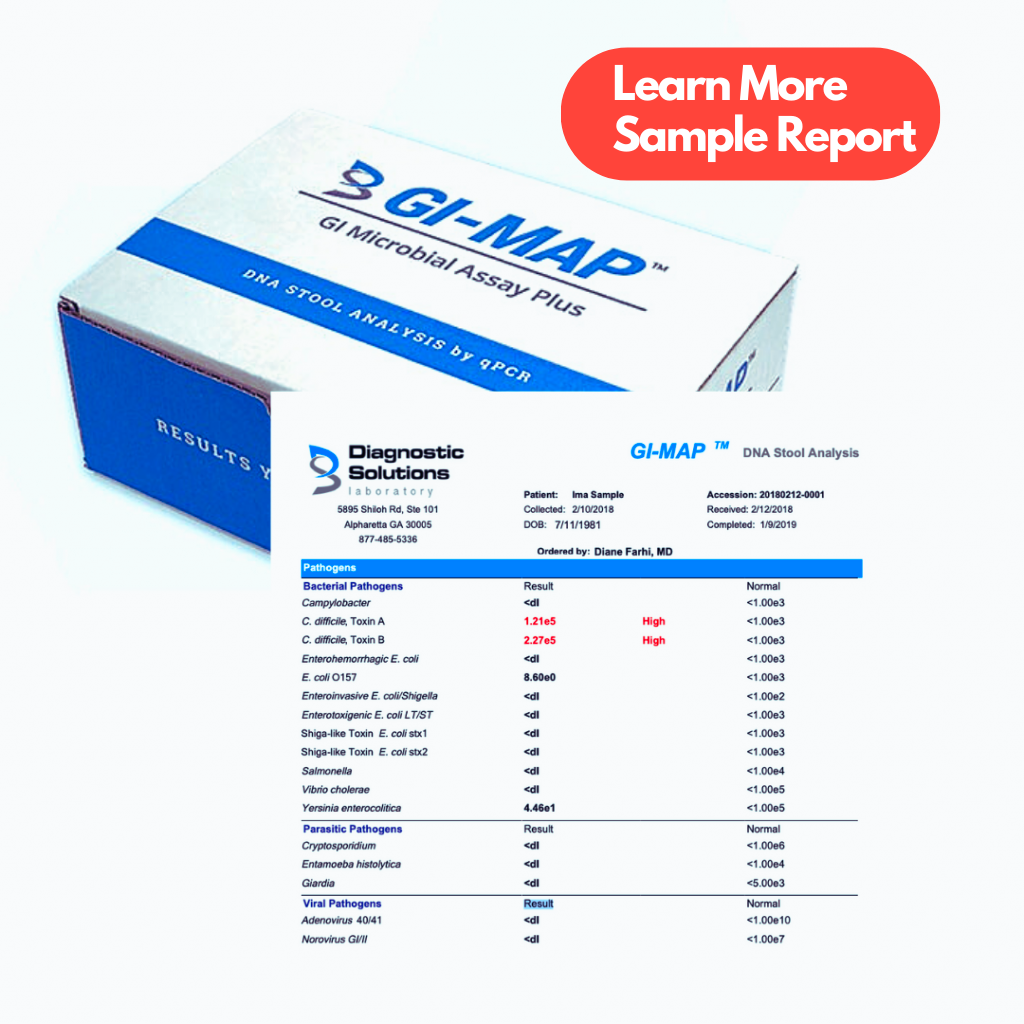
Below is a sample report for the GI Map's antibiotic-resistant gene test. You can also review the sample of the full GI Map test results.
References can change over time. Check lab for most recent ranges.
According to this PubMed review, "Stool calprotectin has been shown to consistently differentiate IBD from irritable bowel syndrome. "It has excellent predictive value in ruling out IBD."
GI-Map Video Overview
Frequently Asked Questions
Is there GI Map Stool testing near me?
Yes. Once you order, TrueHealthLabs.com will mail your test kit. Your sample is mailed back to Diagnostic Solutions for testing. Your test results are added to your account when completed. Because it's a home test kit, the GI Map test is always close. This version of GI-Map is available in the USA only. See the bulleted area at the top of the page for other region availability.
What is the cost of the test?
The price is listed at the top of the page when you order. Your total includes the kit and shipping, and test results.
Can you help me interpret my test results?
Your treating doctor should interpret results in the context of symptoms and medical history. If you'd like educational support after you order, we can help you understand what markers commonly mean through One-On-One Results Review (education only, not medical advice).
How often should I retest?
For most people, retesting around 8–12 weeks after a targeted plan is a reasonable window because it allows time for measurable shifts in overgrowth patterns and inflammation markers. If you're ordering to confirm clearance of a specific pathogen, follow your clinician's timing so you don't retest too early and get an "in-between" result.
How accurate is the test?
The GI-MAP Stool Test uses qPCR, a lab method that amplifies and measures DNA so the lab can quantify specific microbes and markers. Like any test, performance varies by target and clinical context, and the most reliable use is pairing results with symptoms and clinician evaluation, especially when results are borderline or unexpected.
Results are analyzed by Diagnostic Solutions, a CLIA-certified laboratory, which means the testing environment follows federally regulated quality standards for clinical lab processes.
How long does it take to get results after ordering?
Your GI Map test results will be uploaded to your True Health Labs account in 10-12 business days after the lab has received your sample. Ship your sample back early in the week so the sample is less likely to sit over a weekend.
Will this diagnose IBS, SIBO, or food intolerances?
This is not a standalone diagnostic for those conditions; it's a stool-based snapshot that can reveal contributors and guide next steps. Many people order it alongside a clinician evaluation and, when appropriate, add other tests like SIBO breath testing or other labs for a fuller picture.
Should I add Zonulin, Gluten Peptide, Antibiotic resistance genes for bacteria, or the StoolOMX bile acids test when ordering?
Add-ons make sense when you have a specific "why" you're trying to answer: Zonulin for barrier-stress context, Gluten Peptide for recent gluten exposure monitoring, antibiotic resistance genes for a clearer treatment conversation, and StoolOMX bile acids when diarrhea/constipation patterns suggest bile or gut-metabolism involvement.
Can I order if I'm taking antibiotics, antifungals, probiotics, acid reducers, or any other medications or supplements?
You can order anytime, but timing affects interpretation because some medications and supplements can suppress or shift what shows up on the report. If your goal is the clearest signal, follow the GI Map Preparation Guide recommendations before you collect.
What's the best way to use the report once it arrives?
Use it to prioritize rather than chase every flagged biomarker: address true pathogens first (when present), then rebalance opportunists and support beneficials, and finally work through digestion and inflammation markers. Ordering with a plan for interpretation often saves time and reduces expensive trial-and-error.
Disclaimer: This information is for educational purposes only and not intended as medical advice. Consult your healthcare provider for personalized guidance.
Why Customers Trust True Health Labs – What People are saying