What is the HLA DR1, DR3, DR4, DR5, and DQ1 Test?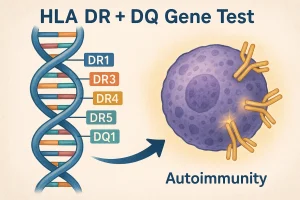
The HLA DR1, DR3, DR4, DR5 and DQ1 test helps detect specific proteins, called human leukocyte antigens (HLA), on the surface of white blood cells. These HLAs play a critical role in immune system function.
An interesting fact is that the presence of certain HLA gene types, such as HLA-DR and DQ alleles, may correlate with autoimmune and inflammatory conditions like CIRS (Chronic Inflammatory Response Syndrome), potentially making it more challenging to clear mold biotoxins. This test identifies those HLA markers, helping healthcare providers understand your immune system’s unique features.
Why is the HLA DR and DQB1 Test Important?
This test is valuable because certain HLA markers are associated with conditions like autoimmune diseases and immune-related disorders and susceptibilities like mold or other biotoxins. Did you know that specific HLA markers, such as HLA DR4, are more commonly found in patients with rheumatoid arthritis? Understanding these associations may help predict potential health conditions and personalize treatment approaches, making this test especially insightful.
Why Consider the HLA DR, DQ1 Test?
Ordering this test can provide insights into how your unique HLA markers affect your immune response. For example, specific HLA DQ markers are sometimes linked with celiac disease, offering essential clues about gluten sensitivity and autoimmune risks. By understanding your HLA markers, you and your healthcare provider can explore personalized strategies for managing and monitoring relevant health concerns.
How Does This Gene Test Relate to CIRS?
This test looks at combinations of these HLA DR and DQ genes. Certain patterns of these genes have been linked in CIRS with a higher chance of ongoing inflammation after mold or other biotoxin exposure. It does not diagnose CIRS by itself, but it can show whether you carry one of these higher-risk patterns; for a more complete CIRS workup, we also offer a separate CIRS panel that measures additional non-genetic markers commonly used in CIRS evaluations.
Labs Included in Your HLA Gene Order
| Test Name | Genetic Variants Detected | Significance (Layman’s Terms) |
|---|---|---|
| HLA DRB1 |
|
One of the most important HLA genes. Certain types are strongly linked with autoimmune conditions such as rheumatoid arthritis, multiple sclerosis, and type 1 diabetes. These variants affect how the immune system tells the difference between “self” and “non-self.” |
| HLA DRB3 |
|
Helps guide immune cell activity. Variations can increase risk for autoimmune issues such as systemic lupus erythematosus (SLE) and certain inflammatory conditions. |
| HLA DRB4 |
|
Important in recognizing invaders. Linked with autoimmune conditions like celiac disease and certain forms of arthritis. May increase the likelihood of an over-active immune response. |
| HLA DRB5 |
|
Can affect how strongly the immune system reacts. Certain DRB5 types are associated with multiple sclerosis and other autoimmune risks. |
| HLA DQB1 |
|
Works closely with DR genes to identify proteins. Some types are strongly tied to celiac disease and type 1 diabetes, where the body attacks its own tissues after confusing them with threats. |
HLA FAQ
What is the Intermediate Resolution HLA DR and DQ Test for?
This test determines specific types of HLA markers on white blood cells that are crucial for immune function. It’s commonly used to assess risks related to autoimmune conditions.
What are the signs and symptoms associated with these HLA markers?
Individuals with specific HLA markers may experience symptoms associated with autoimmune conditions, such as joint pain, fatigue, skin rashes, or digestive issues. These markers are often linked to diseases like rheumatoid arthritis, type 1 diabetes, or celiac disease. It is also important to consult with your primary healthcare provider if you are experiencing any of these symptoms.
How often should I retest?
HLA typing results do not typically change over time, so one test is usually sufficient unless a more detailed resolution is required for medical reasons.
How accurate is the HLA DR1, DR3, DR4, DR5 and DQB1 Test?
The test uses advanced sequencing methods, providing high accuracy in identifying your specific HLA types. This accuracy helps ensure reliable insights into immune-related conditions.
Are test results private and confidential?
Receive test results privately and securely on TrueHealthLabs.com under ‘My Account.’ It’s critical that you share them with your physician. You will have to sign a genetic informed consent form before collecting your sample.
Medical Review Board
Reviewed by Jeff Donohue M.D. from Body Logic and Brady Hurst DC, CCCN. Written by True Health Lab’s team of editorial health contributors.
Disclaimer: This information is for educational purposes only and not intended as medical advice. Consult your healthcare provider for personalized guidance.
Why Customers Trust True Health Labs – What People are saying
Also rated 4.6 out of 5 based on 3452 ShopperApproved reviews- See all TrueHealthLabs.com reviews.