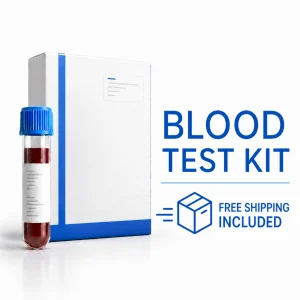
Ordering the MRT 135 Test
Most food sensitivity tests rely on measuring antibodies in the blood. For accurate results, you must have consumed the food consistently for several weeks to trigger a detectable immune response. The Mediator Release Test (MRT test) eliminates this requirement, making it a more convenient and dependable option.
Ordering the MRT test is also a much better choice for those with immune-related issues like autoimmune conditions, digestive disorders, or the use of steroidal anti-inflammatories. Consult your doctor just in case they want to make some adjustments before taking the lab test.
Food sensitivities are often associated with gas, bloating, inflammation, diarrhea, and other G.I. issues, which is why our clinical team suggests pairing this test with the GI Map stool test to assess gut bacteria.
How Does the MRT Test Work?
Food sensitivities involve more than just antibody reactions; your immune system can release various inflammatory chemicals that contribute to symptoms. The MRT test goes beyond antibody detection by measuring immune cell chemical release to identify food sensitivities that traditional antibody testing often overlooks.
Imagine popping a ball to see what’s inside. Your immune cells are like balls filled with different chemicals, and when they react to a food or additive, they release their contents. The MRT measures the size of the balls after being exposed.
Not only does the Mediatory Release Test include 122 foods, it also tests for 8 food chemicals and additives to help you identify and avoid triggers that most significantly affect your health. Additionally, MRT results include a wallet-sized reference card, making it easy to remember your sensitivities while shopping.
Preparations Before Taking the Test
Pairing for the MRT Test is very easy. Fasting is not required, and there are no dietary restrictions before the test. Continue all medications unless instructed otherwise by your doctor.
| Test Name | Reference Range | Significance |
|---|---|---|
| Foods Panel (122 Foods) | ||
| Almond, Amaranth, Apple, Apricot, Asparagus, Avocado, Banana, Barley, Basil, Beef, Beet, Black pepper, Blueberry, Broccoli, Buckwheat, Butternut squash, Cabbage, Cane sugar, Cantaloupe, Carob, Carrot, Cashew, Cauliflower, Cayenne pepper, Celery, Cheddar cheese, Cherry, Chicken, Cinnamon, Clam, Cocoa, Coconut, Codfish, Coffee, Corn, Cottage cheese, Cow’s milk, Crab, Cranberry, Cucumber, Cumin, Date, Dill, Egg white, Egg yolk, Eggplant, Garbanzo bean, Garlic, Ginger, Goat’s milk, Grape, Grapefruit, Green bean, Green pea, Green pepper, Halibut, Hazelnut, Honey, Honeydew, Kale, Kamut, Lamb, Leek, Lemon, Lentil, Lettuce, Lima bean, Mango, Maple syrup, Millet, Mint, Mung Bean, Mushroom, Mustard (seed), Oat, Olive, Onion, Orange, Oregano, Papaya, Paprika, Parsley, Peach, Peanut, Pear, Pecan, Pineapple, Pinto Bean, Pistachio, Plum, Pork, Quinoa, Rainbow trout, Raspberry, Rice, Rye, Salmon, Sesame seed, Shrimp, Sole, Soybean, Spelt, Spinach, Strawberry, Sunflower seed, Sweet potato, Tea, Tilapia, Tomato, Turmeric, Tuna, Turkey, Vanilla, Venison, Walnut, Watermelon, Wheat, White potato, Yeast-bakers/brewers, Yogurt, Whey, Zucchini | Non-reactive: 0-1 Reactive: 2 or higher |
These foods are tested for immune cell reactions that may cause symptoms like bloating, headaches, or skin issues. A higher score means a stronger immune response to that food. |
| Chemicals/Additives Panel (8 Chemicals) | ||
| Caffeine, Fructose (HFCS), Lecithin (soy), Phenylethylamine, Potassium nitrate, Salicylic acid, Solanine, Tyramine | Non-reactive: 0-1 Reactive: 2 or higher |
These chemicals and additives are tested for immune cell reactions that may cause symptoms such as headaches, fatigue, or digestive issues. A higher score means a stronger immune response to that chemical. |
| New Test Markers (5) | ||
| Bok choy, Acetaminophen, Aspartame, Ibuprofen, Sorbic acid | Non-reactive: 0-1 Reactive: 2 or higher |
These new markers include foods and common medications or additives, helping to identify less obvious triggers for symptoms like headaches, rashes, or digestive discomfort. |
To learn even more about the test, visit our complete guide to the MRT test.
MRT 135 FAQ’s
Is there MRT testing near me?
You can find a nearby location for your MRT test kit by using Oxford Biomedical draw center locator. You are not limited to just that tool, you can contact any local hospital, clinic, or mobile phlebotomy service to help with your kit sample collection. The MRT is also available in Canada.
What is the cost of the test?
The price of the MRT test includes shipping to you and back to the lab. Understanding your food sensitivities through MRT can help pinpoint specific triggers, allowing for targeted dietary changes so you can get your life back.
Are there panels with fewer food markers?
Yes. Try the MRT 85. Or if you want to test more foods, try the MRT 176.
How often should I retest?
Retesting the Mediator Release Test is recommended approximately every six to twelve months, depending on symptom changes and dietary modifications. As immune responses can shift over time, regular testing helps track progress and refine dietary strategies for long-term symptom relief and improved well-being.
How accurate is the test?
The MRT test uses an advanced method called volumetric measurement of mediator release, which quantifies immune cell reactions to different foods and food chemicals. It has a 94.5% sensitivity and 91.7% specificity. TrueHealthLabs.com only partners with CLIA-certified laboratories like Oxford Biomedical that uphold high testing standards for dependable results.
Can someone interpret my test results?
Yes. We have a clinic team that can go over your results with you in person. Add on the “Results Review” at the top of the page. Here are the details for the one-on-one results review.
Other important MRT Notes:
- Samples must be returned to the lab the same day. We suggest getting the draw in the morning and shipping immediately. Return shipping for USA customers is free.
- Return shipping: Monday-Thursday
- There is no minimum age requirement to run the test. If the patient weighs less than 16 lbs, submit at least 2 full tubes to the lab. Consult with your pediatrician before running the test.
Medical Review Board
Reviewed by Jeff Donohue M.D. from Body Logic and Brady Hurst DC, CCCN. Written by True Health Lab’s team of editorial health contributors.
Disclaimer: This information is for educational purposes only and not intended as medical advice. Consult your healthcare provider for personalized guidance.
Why Customers Trust True Health Labs – What People are saying
Also rated 4.6 out of 5 based on 3452 ShopperApproved reviews- See all TrueHealthLabs.com reviews.