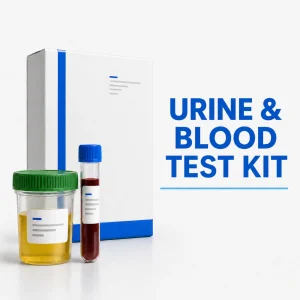
How to Order the Nutrient Zoomer Micronutrient Test From Vibrant America
The Vibrant America Micronutrient Test can help spot vitamin and mineral levels that are too low or too high, which can affect energy, metabolism, and immune function. It checks nutrients outside your cells and inside your cells, which gives a deeper look at what your body has available and what it is actually using. This test can sometimes show shortages that basic bloodwork misses, because it looks at how nutrients are working inside the cells, not just what is floating in the bloodstream.
Ordering this test can help in several clear ways:
- It can show recent and longer-term nutrient patterns, which helps build a fuller nutrient picture.
- It can help match food changes or supplement choices to what your results show.
- It can help you see whether your current food plan or supplement plan is working.
- It can help connect symptoms such as fatigue, brain fog, or muscle cramps to possible nutrient issues.
- It can give clues about how well your body absorbs and uses key nutrients.
Who May Want More Complete Nutrient Testing
People with ongoing tiredness, frequent colds, or trouble concentrating may benefit from this type of testing. For example, someone who eats fairly well but still feels run down and struggles to bounce back after workouts could use this test to look for less obvious nutrient gaps.
Ordering this test may also make sense in these situations:
- Ongoing muscle cramps or joint aches even when you stretch and drink enough fluids.
- Hair shedding or brittle nails that do not improve with typical care.
- Weight that is hard to manage even with consistent exercise and solid food choices.
- Digestive problems that can lower nutrient absorption, such as bloating or irregular bowel habits.
- People who eat mostly plant-based foods and want to check nutrients that can run low, like vitamin B12 or zinc.
Checking nutrient levels can help narrow down why you may have low energy, slow recovery, or frequent infections, so changes to food or supplements can be more specific. Putting this off can mean you miss a chance to correct gaps before they start to show up more strongly in energy, focus, or immune function.
How to Get Ready for Your Nutrient Test
You do not need to fast for this test, but try to stop supplements for at least one week before your blood draw. Follow any directions from your physician or clinician so your results reflect your real nutrient status as closely as possible.
Labs Included When You Order the Nutrient Zoomer From Vibrant America
| Test Name | Reference Range | Significance | What Low and High Levels Can Suggest | ||||||||||||||||||||||||||||||||||||||||||||||||||||||||||||||||||||||||||||||||||||||||||||||||||||||||||||||||||||||||||||||||
|---|---|---|---|---|---|---|---|---|---|---|---|---|---|---|---|---|---|---|---|---|---|---|---|---|---|---|---|---|---|---|---|---|---|---|---|---|---|---|---|---|---|---|---|---|---|---|---|---|---|---|---|---|---|---|---|---|---|---|---|---|---|---|---|---|---|---|---|---|---|---|---|---|---|---|---|---|---|---|---|---|---|---|---|---|---|---|---|---|---|---|---|---|---|---|---|---|---|---|---|---|---|---|---|---|---|---|---|---|---|---|---|---|---|---|---|---|---|---|---|---|---|---|---|---|---|---|---|---|---|---|---|
| Vitamins | |||||||||||||||||||||||||||||||||||||||||||||||||||||||||||||||||||||||||||||||||||||||||||||||||||||||||||||||||||||||||||||||||||
| Vitamin A | 20-80 | Vitamin A supports vision, immune function, and skin repair. The liver stores it and releases it when the body needs it. | High levels can point to too much supplement use or possible liver strain.
Low levels can raise the risk of night vision problems, dry skin, and weaker immune response. |
||||||||||||||||||||||||||||||||||||||||||||||||||||||||||||||||||||||||||||||||||||||||||||||||||||||||||||||||||||||||||||||||
| Vitamin B1 (Thiamine) | 66-200 | Thiamine helps turn food into energy and supports nerve and muscle function. | High levels often suggest extra intake from supplements.
Low levels can be linked to nerve symptoms, weakness, and memory or concentration issues. |
||||||||||||||||||||||||||||||||||||||||||||||||||||||||||||||||||||||||||||||||||||||||||||||||||||||||||||||||||||||||||||||||
| Vitamin B2 (Riboflavin) | 5-50 | Riboflavin supports energy production and helps keep the skin, eyes, and nerves working normally. | High levels usually reflect higher intake and are often not a concern.
Low levels can be linked to mouth sores, a sore throat, and skin changes. |
||||||||||||||||||||||||||||||||||||||||||||||||||||||||||||||||||||||||||||||||||||||||||||||||||||||||||||||||||||||||||||||||
| Vitamin B3 (Niacin) | 0.5-8 | Niacin helps the body make energy from food and supports the skin, nerves, and digestion. | High levels can be linked to flushing and may sometimes reflect liver stress, depending on context.
Low levels can raise the risk of skin rashes, diarrhea, and confusion. |
||||||||||||||||||||||||||||||||||||||||||||||||||||||||||||||||||||||||||||||||||||||||||||||||||||||||||||||||||||||||||||||||
| Vitamin B5 (Pantothenic Acid) | 1-10 | Pantothenic acid helps the body make hormones and break down fats and carbs for energy. | High levels often suggest extra intake from supplements.
Low levels can be linked to fatigue, numbness or tingling, and muscle cramps. |
||||||||||||||||||||||||||||||||||||||||||||||||||||||||||||||||||||||||||||||||||||||||||||||||||||||||||||||||||||||||||||||||
|
|||||||||||||||||||||||||||||||||||||||||||||||||||||||||||||||||||||||||||||||||||||||||||||||||||||||||||||||||||||||||||||||||||
| Vitamin B6 | 5-50 | Vitamin B6 supports brain development and helps the nerves and immune system function normally. | High levels can be a concern if they stay high long-term, because very high B6 over time can affect nerves.
Low levels can be linked to low mood, confusion, and weaker immune response. |
| Vitamin B12 | 200-900 | Vitamin B12 helps make red blood cells and supports nerve health. It can run low in people who avoid animal-based foods. | High levels can reflect supplements and, in some cases, may be seen with certain liver problems.
Low levels can raise the risk of anemia, numbness or tingling, and memory issues. |
| Vitamin C | 0.4-2 | Vitamin C supports wound healing, helps the body absorb iron, and supports immune function. It also helps protect cells from damage. | High levels usually reflect higher intake and are often not a concern.
Low levels can be linked to bleeding gums, slower healing, and more frequent infections. |
| Vitamin D3 | 30-100 | Vitamin D3 helps the body absorb calcium and supports bone strength and immune function. | High levels can raise calcium too much and may strain the kidneys in some cases.
Low levels can be linked to weaker bones, muscle aches, and more frequent infections. |
| Vitamin D, 25-OH | 30-100 | This is the main vitamin D marker used to estimate the body’s stored vitamin D level. | High levels can raise calcium and may increase kidney stone risk in some cases.
Low levels can be linked to bone loss, muscle weakness, and low mood. |
| Vitamin E | 5-20 | Vitamin E helps protect cells from damage and supports immune function. | High levels can increase bleeding risk in some situations.
Low levels can be linked to nerve and muscle problems. |
| Vitamin K1 | 0.2-3.2 | Vitamin K1 supports normal blood clotting and bone strength. | High levels often suggest extra intake from supplements.
Low levels can be linked to easy bruising and bleeding. |
| Vitamin K2 | 0.2-3.2 | Vitamin K2 helps guide calcium into bones and teeth and away from arteries. | High levels often suggest extra intake from supplements.
Low levels can be linked to weaker bones and calcium building up in arteries. |
| Minerals | |||
| Sodium | 135-145 | Sodium helps manage fluid balance and supports nerve and muscle function. | High levels can happen with dehydration and may be seen with some kidney problems.
Low levels can be linked to headache, confusion, and muscle cramps. |
| Potassium | 3.5-5.1 | Potassium supports heart rhythm, muscle contraction, and nerve signaling. | High levels can affect heart rhythm and may be dangerous in some settings.
Low levels can be linked to muscle weakness and heart rhythm changes. |
| Calcium | 8.6-10.2 | Calcium supports strong bones and teeth, muscle movement, and nerve function. | High levels can raise kidney stone risk and may contribute to muscle weakness in some cases.
Low levels can be linked to muscle cramps and weaker bones. |
| Manganese | 0.5-2.5 | Manganese supports bone building, wound healing, and how the body uses certain amino acids and cholesterol. | High levels can be linked to nerve-related symptoms in some cases.
Low levels can be linked to slower healing and weaker bone growth. |
| Magnesium | 1.7-2.2 | Magnesium supports muscle and nerve function, blood sugar control, and bone strength. | High levels can lower blood pressure and slow reflexes in some cases.
Low levels can be linked to cramps, tremors, and irregular heartbeat. |
| Zinc | 70-120 | Zinc supports immune function, wound healing, and DNA production. | High levels can cause nausea and may affect immune balance in some cases.
Low levels can be linked to slow healing, hair loss, and frequent infections. |
| Copper | 70-140 | Copper supports iron use, nerve function, and red blood cell production. | High levels can be linked to stomach pain and may be seen with certain liver problems.
Low levels can be linked to anemia and weaker immune response. |
| Chromium | 0.1-0.5 | Chromium helps the body respond to insulin and supports blood sugar control. | High levels may be linked to kidney strain in some cases.
Low levels can be linked to poorer blood sugar control. |
| Iron | 50-170 | Iron helps make red blood cells and carry oxygen through the bloodstream. | High levels can be harmful over time and may damage organs in some conditions.
Low levels can be linked to fatigue and anemia. |
| Other Nutrients | |||
| CoQ10 | 0.5-1.8 | CoQ10 helps cells make energy and helps protect cells from damage. | High levels often suggest extra intake from supplements.
Low levels can be linked to muscle weakness and fatigue. |
| Cysteine | 200-300 | Cysteine is an amino acid used to build proteins and support antioxidant systems in the body. | High levels can be linked to certain metabolism issues in some cases.
Low levels can be linked to weaker hair, skin, and nails. |
| Selenium | 70-150 | Selenium helps protect cells from damage and supports thyroid function. | High levels can be linked to hair loss and stomach upset.
Low levels can be linked to weaker immune response and thyroid problems. |
| Glutathione | 5-15 | Glutathione helps the body handle oxidative stress and supports detox pathways that protect cells. | High levels often suggest extra intake from supplements.
Low levels can be linked to higher oxidative stress and slower recovery. |
| Asparagine | 30-80 | Asparagine is an amino acid used to build proteins and support normal brain function. | High levels may be linked to kidney problems in some cases.
Low levels can be linked to slower muscle gains and fatigue. |
| Glutamine | 400-700 | Glutamine supports muscle repair and helps support the gut lining. | High levels may be linked to liver or kidney problems in some cases.
Low levels can be linked to muscle loss and slower recovery. |
| Serine | 80-180 | Serine is an amino acid used to build proteins and support brain and nerve function. | High levels can be linked to metabolism issues in some cases.
Low levels can be linked to memory problems and slower growth or repair. |
| Citrulline | 20-40 | Citrulline supports blood flow and helps the body clear certain waste products. | High levels may be linked to liver or kidney problems in some cases.
Low levels can be linked to poorer blood flow and slower recovery. |
| Arginine | 40-120 | Arginine supports blood flow, healing, and immune function. | High levels can be linked to metabolism issues in some cases.
Low levels can be linked to slower healing and weaker immune response. |
| Choline | 7-20 | Choline supports brain development, memory, and normal muscle movement. | High levels may be seen with certain liver problems in some cases.
Low levels can be linked to memory issues and muscle weakness. |
| Inositol | 20-80 | Inositol supports nerve signaling and can play a role in mood balance. | High levels may be linked to kidney problems in some cases.
Low levels can be linked to mood swings and nerve-related symptoms. |
| Carnitine | 20-60 | Carnitine helps move fats into cells to be used for energy and supports heart and muscle function. | High levels often suggest extra intake from supplements.
Low levels can be linked to muscle weakness and tiredness. |
| MMA (Methylmalonic Acid) | 0.08-0.56 | MMA is often used to help check vitamin B12 status. Higher MMA can suggest the body is not using B12 well. | High levels can suggest possible B12 deficiency or poor B12 use.
Low levels usually suggest B12 is being used as expected. |
Reference ranges can shift a bit over time as labs change testing methods or as newer research leads to updated cutoffs.
Nutrient Zoomer Micronutrient Test FAQ
Can I get the Nutrient Zoom Test near me?
This is a kit that can be drawn locally, and you can use the draw-location link at the top of the page to find nearby options. If you deal with long-term fatigue or you suspect absorption problems, having a nearby draw site can make testing easier and reduce delays.
How do I interpret the test results?
Your treating physician should review your results, and you can also use our one-on-one test results review with our clinical team for a clearer explanation and practical next steps.
What is the cost of the test?
The listed price includes shipping to you and return shipping back to the lab, but some draw sites may charge a separate draw fee. Ordering the test can help you find nutrient gaps that may be contributing to fatigue, slower recovery, or other symptoms.
How often should I retest?
Many people retest every 6 to 12 months, especially if they are changing food choices or supplements, so they can see progress and make adjustments.
How accurate is the test?
This test uses mass spectrometry and immunoassay methods to measure nutrients outside the cells and inside the cells, with a reported specificity of 98% and sensitivity of 97%. TrueHealthLabs.com works with CLIA-certified and CAP-certified labs to support consistent testing standards and reliable results.
Medical Review Board
Reviewed by Jeff Donohue M.D. from Body Logic and Brady Hurst DC, CCCN. Written by True Health Lab’s team of editorial health contributors.
Disclaimer: This information is for educational purposes only and not intended as medical advice. Consult your healthcare provider for personalized guidance.
Why Customers Trust True Health Labs – What People are saying
Also rated 4.6 out of 5 based on 3452 ShopperApproved reviews- See all TrueHealthLabs.com reviews.