
We’ve created a helpful guide that teaches you about each mineral and toxic element commonly measured in hair and related laboratory tests.
For every biomarker, you will see what it does in the body and which sample type is usually most useful (blood, hair, urine, or stool),
with a focus on long-term exposure versus short-term changes.
Note: This information is educational and does not replace advice from your own doctor.
Table of Contents
Minerals and Essential Elements
- Calcium
- Magnesium
- Sodium
- Potassium
- Copper
- Zinc
- Phosphorus
- Iron
- Manganese
- Chromium
- Selenium
- Cobalt
- Germanium
- Molybdenum
- Sulfur
- Rubidium
- Lithium
- Nickel
- Strontium
- Tin
- Vanadium
Toxic and Potentially Harmful Elements
- Uranium
- Arsenic
- Beryllium
- Mercury
- Cadmium
- Lead
- Aluminum
- Barium
- Bismuth
- Platinum
- Thallium
- Titanium
- Tungsten
- Zirconium
Minerals and Essential Elements
Calcium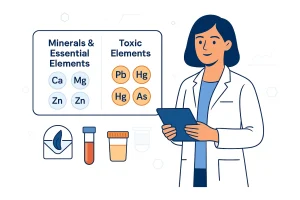
Calcium is known for its role in bones and teeth, but it also helps muscles contract and nerves send signals.
Inside the body, calcium is kept within a very tight range in the blood. Because of this, blood levels often stay
normal until there is a more serious issue. Hair can pick up long-term patterns of exposure and intake, including
the influence of vitamin D, parathyroid hormone, diet, and supplements. When looking at calcium, it is helpful to
consider it alongside magnesium, phosphorus, and vitamin D status, because they all work together.
For real-world health questions, calcium findings are best interpreted in context: bone density history,
medication use, kidney function, and dietary intake. No single test result can confirm osteoporosis or other
conditions, but trends over time may add useful pieces to the overall picture.
Best sample type: For long-term patterns, hair is often most helpful. For short-term or urgent issues, blood is more useful.
Magnesium
Magnesium supports hundreds of enzyme reactions. It is closely involved with muscle relaxation, healthy heart rhythm,
and the way cells make and use energy. Only a small portion of the body’s magnesium is found in blood, so a single
blood level can miss deeper changes in stores. Hair levels can suggest longer-term intake and exposure over several months,
especially when reviewed together with calcium, potassium, and sodium.
People often ask about muscle cramps, sleep quality, and stress when thinking about magnesium. A lab result does not by
itself prove that magnesium is causing a symptom, but it may nudge the conversation toward diet, kidney health, gut
absorption, and medication effects such as diuretics or acid-reducing drugs.
Best sample type: For daily or acute changes, blood (often red blood cell magnesium) is preferred. For longer-term intake patterns, hair can be informative.
Sodium
Sodium helps manage fluid balance, blood pressure, and nerve impulses. Most sodium in the body is outside the cells,
and the kidneys constantly adjust how much is held or released. Blood levels can change quickly with dehydration,
fluid overload, or certain medicines. Hair levels reflect longer-term exposure to salt in food and the way the body
handles sodium over time, rather than moment-to-moment shifts.
When a sodium result looks unusual, it is good to think about water intake, kidney function, adrenal hormones, and
medications such as water pills. The context matters: a single number, especially from hair, is a starting point for
questions, not a final answer about blood pressure or heart health.
Best sample type: Blood is best for short-term or hospital-level concerns. Hair works better for long-term sodium balance patterns.
Potassium
Potassium is essential for normal heart rhythm, muscle function, and nerve activity. Most potassium lives inside the
cells, so blood levels can shift rapidly with kidney function, medications, and acid-base changes. High or low blood
potassium can be serious and needs medical attention. Hair potassium reflects a slower pattern of how the body has been
handling this mineral, influenced by diet, hormones, and stress responses over time.
In practical terms, potassium results should be interpreted together with sodium, magnesium, and kidney markers.
A hair result suggesting higher or lower potassium over months can help guide questions about diet (fruits, vegetables,
salt substitutes) and drugs such as diuretics or ACE inhibitors, but it does not replace blood monitoring when symptoms
or heart concerns are present.
Best sample type: Blood is preferred for short-term safety and heart rhythm questions; hair can be useful for long-term potassium handling.
Copper
Copper is needed for iron transport, connective tissue, pigment formation, and nervous system function. The body keeps
copper in balance through absorption in the gut, storage in the liver, and release into the blood wrapped in carrier proteins.
Too much copper can stress the liver and nervous system; too little can affect red blood cells and immunity.
Hair copper can reflect longer-term exposure from diet, water, pipes, cookware, and supplements. Blood tests, including
copper, ceruloplasmin, and sometimes genetic testing, are important when there is concern about conditions that affect
copper handling. Looking at copper alongside zinc often gives a better sense of balance, since these two elements can
compete in the body.
Best sample type: Hair is useful for long-term exposure; blood is best when there is concern about overload or deficiency.
Zinc
Zinc supports immune function, wound healing, taste and smell, skin health, and hormone signaling. The body does not
store large reserves, so steady intake from food is important. Blood zinc can fall with inflammation even when intake
is adequate, which can make interpretation tricky. Hair zinc offers a slower view of intake and exposure, often over a
span of several months.
Zinc often needs to be viewed together with copper and iron. Changes in zinc may prompt a closer look at diet, gut
absorption, and supplement balance, especially when people are using high-dose single-nutrient products. A result
outside the reference range is a signal to ask more questions, not a diagnosis by itself.
Best sample type: For trends over time, hair can be helpful. For short-term changes and detailed workup, blood is commonly used.
Phosphorus
Phosphorus is a key part of bones, teeth, DNA, and the body’s main energy molecules. It works closely with calcium and
vitamin D. Kidneys play a large role in balancing phosphorus, so kidney function strongly influences blood levels. Hair
phosphorus reflects long-term intake and handling rather than immediate shifts.
When reviewing phosphorus, it is helpful to think about diet (especially processed foods and sodas that may contain
phosphate additives), vitamin D status, kidney health, and parathyroid hormone. An unusual result does not automatically
mean bone disease, but it can support a deeper review of mineral intake and kidney function with a practitioner.
Best sample type: Blood is best for short-term mineral and kidney questions; hair can show longer-term phosphorus patterns.
Iron
Iron is central for carrying oxygen in hemoglobin and supporting energy production in cells. The body keeps iron tightly
controlled because both too little and too much can be harmful. Blood tests such as hemoglobin, ferritin, and transferrin
saturation are commonly used to assess iron status. Hair iron can reflect longer-term exposure and intake, but on its own
it cannot diagnose anemia or iron overload.
When a result looks high, questions about hereditary hemochromatosis, supplements, and liver health often come up.
When it looks low, diet, menstrual blood loss, gut health, and hidden bleeding are considered. Patterns over time,
rather than a single number, are usually more helpful in understanding the broader picture.
Best sample type: Blood is the primary choice for iron status; hair may add long-term context but should be interpreted with blood results.
Manganese
Manganese supports enzyme systems involved in energy production, antioxidant defenses, and bone formation. At very high
levels, especially from industrial exposure or contaminated water, manganese can affect movement and mood. At very low
levels, growth and metabolism may be affected, although clear deficiency in humans is uncommon.
Hair manganese can show medium- to long-term exposure and is often used when environmental sources are suspected. Blood
levels can be influenced by recent exposure and are more commonly checked when there is concern about occupational or
environmental toxicity. As with many trace elements, the pattern across several markers and the clinical story matters
more than a single reading.
Best sample type: For long-term environmental exposure, hair and sometimes whole blood are useful; urine may be used for some exposure studies.
Chromium
Chromium is a trace element that may help insulin work more effectively and support normal blood sugar control. It is
present in small amounts in many foods. Some supplements use higher doses, which can alter test results. Hair chromium
reflects ongoing exposure from diet, water, and supplements over time.
When chromium appears elevated, one of the first questions is whether chromium-containing supplements or occupational
exposure are present. Suspected deficiency is usually approached by reviewing food patterns and, in some cases,
measuring blood sugar and insulin-related markers rather than relying on a single chromium value.
Best sample type: Hair is commonly used for longer-term exposure; blood and urine may be used in specialized testing or exposure studies.
Selenium
Selenium helps key antioxidant enzymes work and is involved in thyroid hormone conversion. Both low and high intake can
be an issue. Low intake may weaken antioxidant defenses, while high intake can lead to symptoms such as brittle hair and
nails and a garlic-like breath odor. Selenium content in foods depends heavily on soil levels.
Hair selenium can show longer-term intake patterns, especially when people are using supplements or eating high-selenium
foods regularly. Blood levels, especially plasma or serum selenium, can provide a snapshot of more recent intake.
When results are out of range, it is usually best to review supplement doses, diet, and any occupational exposures.
Best sample type: Hair is helpful for ongoing intake patterns; blood (serum or plasma) is useful for more immediate status.
Cobalt
Cobalt is part of vitamin B12, which is important for red blood cell formation and nerve health. Outside of its role in B12,
excess cobalt from industrial exposure or certain medical implants can be harmful to the heart and other organs. Hair cobalt
can show medium- to long-term exposure.
When cobalt levels look high, it is important to consider vitamin B12 supplementation, metal implants, and job-related
exposure. If levels are low, that does not directly diagnose a vitamin B12 deficiency, because B12 testing involves
different markers such as serum B12, methylmalonic acid, and homocysteine.
Best sample type: Hair can track long-term cobalt exposure; blood is used for B12 status and some exposure assessments.
Germanium
Germanium is a trace element sometimes discussed in the context of experimental supplements and potential immune effects.
There is no well-established essential requirement for germanium in humans. However, excess intake from certain products
has been linked to kidney injury.
Hair germanium reflects longer-term exposure to this element, especially from supplements or environmental sources.
Because there is no clear deficiency state, the main concern is avoiding unnecessary or high-dose exposures. When a
result is elevated, reviewing any supplements, herbal products, or work-related contact is a practical next step.
Best sample type: Hair is generally used for long-term exposure screening; urine or blood may be used in toxicology settings when exposure is suspected.
Molybdenum
Molybdenum is a cofactor for enzymes that help break down certain amino acids, detoxify sulfites, and process nitrogen-containing
compounds. The body needs only tiny amounts, and it is usually easy to get enough from food. Very high intakes may compete with
copper metabolism, while very low intake has been linked to rare inherited metabolic problems.
Hair molybdenum indicates longer-term exposure and dietary intake. When levels look high, it is useful to look at copper, zinc,
and overall supplement patterns. Most people do not need direct molybdenum supplementation, so unexpected elevations often point
toward specific environmental or product exposures.
Best sample type: Hair is often used to view longer-term patterns; blood and urine are used less often outside of specialized testing.
Sulfur
Sulfur is a key building block in many amino acids (such as cysteine and methionine), antioxidants, and connective tissues.
It supports detoxification pathways in the liver and contributes to the structure of skin, hair, and nails. Because sulfur is
so widely distributed in proteins, it is not usually measured as a routine lab marker in blood.
Hair sulfur can reflect the protein content and structural integrity of the hair itself. It may also give clues about intake
of sulfur-containing amino acids and the way the body processes them over time. When hair sulfur appears low, questions about
protein intake and general nutrition often follow. When it appears high, it may relate to hair treatments or other cosmetic
factors as much as internal metabolism.
Best sample type: Hair provides the clearest view of sulfur in this context; routine blood testing is rarely used for sulfur itself.
Rubidium
Rubidium is an alkali metal that behaves somewhat like potassium in the body. It is not considered an essential nutrient, but
it may interact with nerve and muscle function in subtle ways. Most people are exposed through small amounts in food and water.
Hair rubidium gives a view of longer-term exposure. At this time, there is limited evidence that low rubidium in humans leads
to specific health problems, so the main interest is in unusually high levels that may reflect occupational exposure or
environmental sources. Interpreting rubidium usually involves looking at it alongside potassium and other related elements.
Best sample type: Hair is most practical for long-term rubidium exposure; targeted blood or urine testing is rarely needed except in research.
Lithium
Lithium is best known as a prescription medication for certain mood conditions. In very small amounts, it also appears naturally
in water and some foods. Because therapeutic doses are much higher than environmental exposure, lab testing often focuses on
monitoring drug levels to avoid toxicity.
Hair lithium can reflect longer-term exposure from the environment, diet, or medications. High hair levels may point to medication
use or environmental sources and should be discussed with a prescribing clinician if lithium therapy is involved. Low levels in
hair are not known to cause clear problems on their own but may be of interest in research.
Best sample type: Blood is essential for monitoring prescription lithium. Hair offers a longer-term view of exposure outside of acute dosing.
Nickel
Nickel is a common metal used in coins, jewelry, and industrial applications. It is a frequent cause of skin allergies, especially
from earrings, belt buckles, and watchbands. In higher exposures, nickel may also affect the lungs and other organs.
Hair nickel can show medium- to long-term exposure and is often used in environmental or occupational assessments. When levels
are elevated, a practical next step is to review contact with jewelry, metal objects, and workplace materials. Allergy testing
for nickel may be considered if there are skin rashes or other reactions.
Best sample type: Hair is good for tracking ongoing exposure; urine and blood may be used when recent higher exposure is suspected.
Strontium
Strontium is chemically similar to calcium and can be incorporated into bone. In small amounts from natural sources, strontium
is not usually a concern. Certain medical products have used specific forms of strontium to support bone strength, although
this is a specialized area.
Hair strontium reflects long-term exposure from diet, water, and supplements. High levels may indicate increased intake from
groundwater, particular foods, or products containing strontium. Because it can replace calcium in bone, persistent high
exposures may raise questions about long-term bone health and overall mineral balance.
Best sample type: Hair is useful for long-term exposure; blood and urine may be used in environmental and occupational evaluations.
Tin
Tin is used in cans, coatings, and other industrial products. In organic forms at low levels, it is generally considered to have
limited toxicity, but certain compounds and high exposures can cause digestive upset and other symptoms. Most everyday exposure is
from food contact materials and the environment.
Hair tin indicates longer-term exposure. Elevated values may draw attention to canned foods, certain industrial settings, or
contaminated water or soil. Very low levels are not usually meaningful. When there are concerns, reducing avoidable exposures
and supporting general health measures are reasonable steps to discuss with a practitioner.
Best sample type: Hair is best for background exposure; urine may be used in some toxicology assessments for recent high exposure.
Vanadium
Vanadium is a trace metal found in the environment, fuel products, and some foods. It has been studied for possible effects
on blood sugar and bone metabolism, but it is not considered a required nutrient for humans. High exposures, especially from
industrial sources, may affect cellular functions and cause irritation.
Hair vanadium shows longer-term exposure. Results should be interpreted with the full exposure story in mind, including any
contact with combustion products, industrial emissions, or supplements. At this time, there is more concern about avoiding
unnecessary high exposures than about correcting low levels.
Best sample type: Hair is a practical choice for long-term exposure; blood and urine may be used for specific exposure investigations.
Toxic and Potentially Harmful Elements
Uranium
Uranium is a naturally occurring radioactive metal found in certain rocks and groundwater. In the body, uranium mainly affects
the kidneys and bones when exposure is high. Most people are exposed to very low background levels through water, food, and air.
Hair uranium reflects longer-term exposure, especially from well water or areas with higher natural uranium deposits. When levels
are elevated, it is important to review drinking water sources, especially private wells, and consider testing the water directly.
Public health authorities sometimes provide guidance for regions with known uranium issues.
Best sample type: For long-term exposure, hair and urine are both used; urine is often preferred in environmental health work for recent exposure.
Arsenic
Arsenic is a well-known toxic element that can be found in contaminated water, certain foods (such as rice and some seafood),
and industrial settings. Long-term arsenic exposure is linked to skin changes, cardiovascular problems, and an increased risk
of certain cancers.
Hair arsenic is commonly used to assess longer-term exposure, especially to inorganic arsenic from drinking water. Urine arsenic,
particularly when broken down into different chemical forms, can help distinguish between seafood-related organic arsenic and more
concerning inorganic forms. When results are elevated, assessing the water supply and food patterns is an important next step.
Best sample type: Hair is very helpful for long-term arsenic patterns; urine is preferred for detailed and short-term exposure assessment.
Beryllium
Beryllium is used in aerospace, electronics, and certain manufacturing processes. In sensitive individuals, inhaled beryllium
can lead to a chronic lung condition called beryllium disease. Everyday exposure for the general public is usually very low.
Hair beryllium can provide a picture of longer-term exposure. However, because health effects are mainly tied to inhaled dust,
workplace air monitoring and specialized blood tests are often more important in people who work with this metal. A high hair
level should prompt questions about job duties, protective equipment, and workplace safety measures.
Best sample type: For occupational concerns, blood and lung-focused evaluations are key; hair may help flag long-term environmental exposure.
Mercury
Mercury exists in different forms: elemental mercury, inorganic salts, and organic methylmercury. Methylmercury from certain fish
and seafood is a common exposure source and can affect the nervous system, especially in developing babies and young children.
Occupational exposure can also occur in some settings.
Hair mercury is widely used to reflect longer-term methylmercury intake from fish and seafood. Urine mercury is often used to
evaluate exposure to inorganic and elemental mercury, such as from some industrial sources or older dental materials. When mercury
levels are elevated, working with a clinician to review diet, occupation, and potential sources is important before making changes.
Best sample type: Hair is best for long-term methylmercury from seafood; urine is often preferred for inorganic and elemental mercury exposure.
Cadmium
Cadmium is a toxic metal found in cigarette smoke, certain industrial processes, and some fertilizers. It tends to accumulate
in the kidneys and can affect kidney function and bone health over time. Smoking is a major source of cadmium exposure for many people.
Hair cadmium can show longer-term exposure, especially when smoking or environmental sources are involved. Urine cadmium is often
used to estimate how much cadmium has accumulated in the body, particularly in the kidneys. When levels are elevated, reducing
exposure (for example, by stopping smoking and improving workplace protection) becomes a key focus.
Best sample type: Hair gives a long-term exposure view; urine is commonly used to estimate body burden and kidney-related accumulation.
Lead
Lead is a highly toxic metal that can harm the brain, nervous system, kidneys, and blood. Children are especially sensitive.
Common sources include old paint, contaminated soil, older plumbing, certain hobbies, and some imported products.
Blood lead is the standard test for short-term and clinically important exposure. Hair lead can reflect longer-term contact with
lead from the environment, but it should not replace blood testing when there is concern about poisoning. If lead is detected at
higher levels, identifying and removing the source is the top priority, often with support from public health agencies.
Best sample type: Blood is the main test for lead exposure; hair may offer long-term context but is secondary to blood testing.
Aluminum
Aluminum is widely used in food packaging, cookware, personal care products, and many industrial settings. At everyday low levels,
the body usually clears aluminum through the kidneys. At higher exposures or in people with reduced kidney function, it may build up
and contribute to nervous system and bone concerns.
Hair aluminum provides a view of longer-term exposure. Elevated levels may prompt a review of cookware, drinking water, workplace
exposure, and personal care products. Because aluminum can also stick to hair from hair sprays and other cosmetics, sample collection
and preparation are important for accurate interpretation.
Best sample type: Hair helps with long-term exposure patterns; urine and blood may be used in specific toxicology assessments, especially in kidney disease.
Barium
Barium is used in medical imaging, certain industrial products, and drilling fluids. Water contaminated with high levels of barium
can affect the heart, blood pressure, and nervous system. Medical imaging uses special forms of barium that are not easily absorbed.
Hair barium shows longer-term exposure from water, food, or workplace contact. When levels are higher than expected, testing
drinking water and reviewing industrial exposures are reasonable next steps. Because not all barium forms behave the same in the body,
the clinical importance of a given result depends on the exposure source and form.
Best sample type: Hair is useful for long-term exposure; urine may be used in environmental health evaluations for more recent intake.
Bismuth
Bismuth is found in some over-the-counter stomach remedies and certain industrial products. At typical medication doses, it is
usually well tolerated, but long-term high-dose use or unusual exposure can affect the kidneys and nervous system.
Hair bismuth reflects longer-term exposure. When elevated levels appear, one of the first questions is whether bismuth-containing
medications or industrial exposures are present. Reducing unnecessary sources and, if needed, checking kidney function with a clinician
can be sensible follow-up steps.
Best sample type: Hair is helpful for long-term exposure; blood and urine may be used in cases of suspected toxicity from medicines or occupational exposure.
Platinum
Platinum is used in vehicle catalytic converters, jewelry, and certain chemotherapy medicines. In medical settings, specific platinum
drugs can be very effective but may also affect the kidneys, nerves, and hearing. Environmental exposure for the general population
is usually low.
Hair platinum can show longer-term exposure, especially in occupational settings or areas with heavy traffic emissions. In people
receiving platinum-based chemotherapy, blood tests and kidney function monitoring are more important than hair values. For others,
an elevated hair platinum level should prompt a review of workplace or environmental sources.
Best sample type: Hair is useful for long-term environmental exposure; blood and urine are used in medical and occupational monitoring.
Thallium
Thallium is a highly toxic metal historically used in rodenticides and now mainly found in certain industrial processes and
contaminated environments. It can affect the nervous system, hair follicles, and gastrointestinal tract.
Hair thallium is often used to assess longer-term exposure, especially when hair loss or neurological symptoms raise concern.
Urine thallium can reflect more recent exposure. Because thallium poisoning is serious, any suggestion of significant exposure
should be evaluated promptly by a medical team with experience in toxicology.
Best sample type: Hair is helpful for long-term exposure; urine and blood are used for diagnosing and managing significant thallium exposure.
Titanium
Titanium is widely used in medical implants, pigments, and cosmetics. It is generally considered to have low toxicity, and the
body tends to handle small exposures without difficulty. However, particles from certain products or implants may still show up
in lab testing.
Hair titanium reflects ongoing contact from cosmetics, sunscreens, and environmental sources. When levels are elevated, it is often
most practical to review topical products and occupational exposures. At this time, routine testing for titanium is not common for
most people without a specific exposure reason.
Best sample type: Hair is typically used for background exposure; blood or tissue testing may be used in specific implant-related or occupational questions.
Tungsten
Tungsten is used in light bulb filaments, cutting tools, and military applications. High exposures may affect the kidneys and
nervous system, but everyday exposure for the general public is usually low.
Hair tungsten can show longer-term exposure in people who live or work near industrial sources. Urine tungsten may be used to
evaluate more recent exposure. Because the health impact of low-level tungsten exposure is still being studied, results should
be interpreted along with a detailed exposure history rather than in isolation.
Best sample type: Hair is useful for long-term exposure; urine is often chosen to look at recent intake in environmental or occupational studies.
Zirconium
Zirconium is used in ceramics, some medical devices, and deodorant products. It is generally viewed as having low toxicity at
typical exposure levels. Most people contact zirconium without noticing any clear health effects.
Hair zirconium reflects ongoing environmental and product exposure. Elevated levels may lead to a review of topical products,
such as certain deodorants, and occupational contact. At present, low-level zirconium exposure is not clearly linked to specific
health problems in the general population.
Best sample type: Hair is usually the main way long-term exposure is viewed; urine and blood testing are uncommon outside of research or special cases.
Popular Minerals and Toxic Elements Tests
If you and your clinician decide that testing is appropriate, these TrueHealthLabs.com panels are often used to look at essential
elements and toxic metals from different angles. Not every test includes every biomarker listed above, but each gives a useful slice
of the overall picture.
- Hair elements profile – long-term minerals and toxic elements in hair
- Blood (RBC) metals profile – minerals and metals inside red blood cells
- Urine metals profile – essential elements and toxic metals in urine
- Stool toxic metals profile – metals leaving the body through the gut
Your healthcare provider can help you decide which sample type makes the most sense for your situation and how to combine results
from different tests into a practical, step-by-step plan.